Why the LexMap Observatory exists
A space for professional reflection on the digital case file, the right to a defence and the technological criminal trial. The culture of the problem first, the tools second.
The LexMap Observatory is a space for professional reflection on an issue that increasingly affects those who defend: the digitisation of the criminal case file and its effects on the effectiveness of the right to a defence.
It is not a commercial showcase. It is an observatory: a place to look honestly at how the criminal trial — and the tools of those who work in it — are changing.

Our starting thesis
Digitising the criminal case file is not only about going faster. It is about defending better. In the modern criminal trial the prosecution has organised records, databases, digital investigative tools and the ability to cross-reference information. The defence cannot remain stuck with the binder, the scanned PDF and manual search. This is a matter of safeguards, of defensive method and of genuine equality of arms.

Four convictions
Digitising the file means strengthening the right to a defence. That right is not just formal access to the records: it is the concrete ability to understand, order, connect, verify and challenge them. Having the records is not enough; you must be able to govern them.
The prosecution's file is about everyone; the defence is about one person. In proceedings with several suspects, defence counsel receives a mass of records that also concern others. Counsel does not defend the file: they defend a person inside the file.
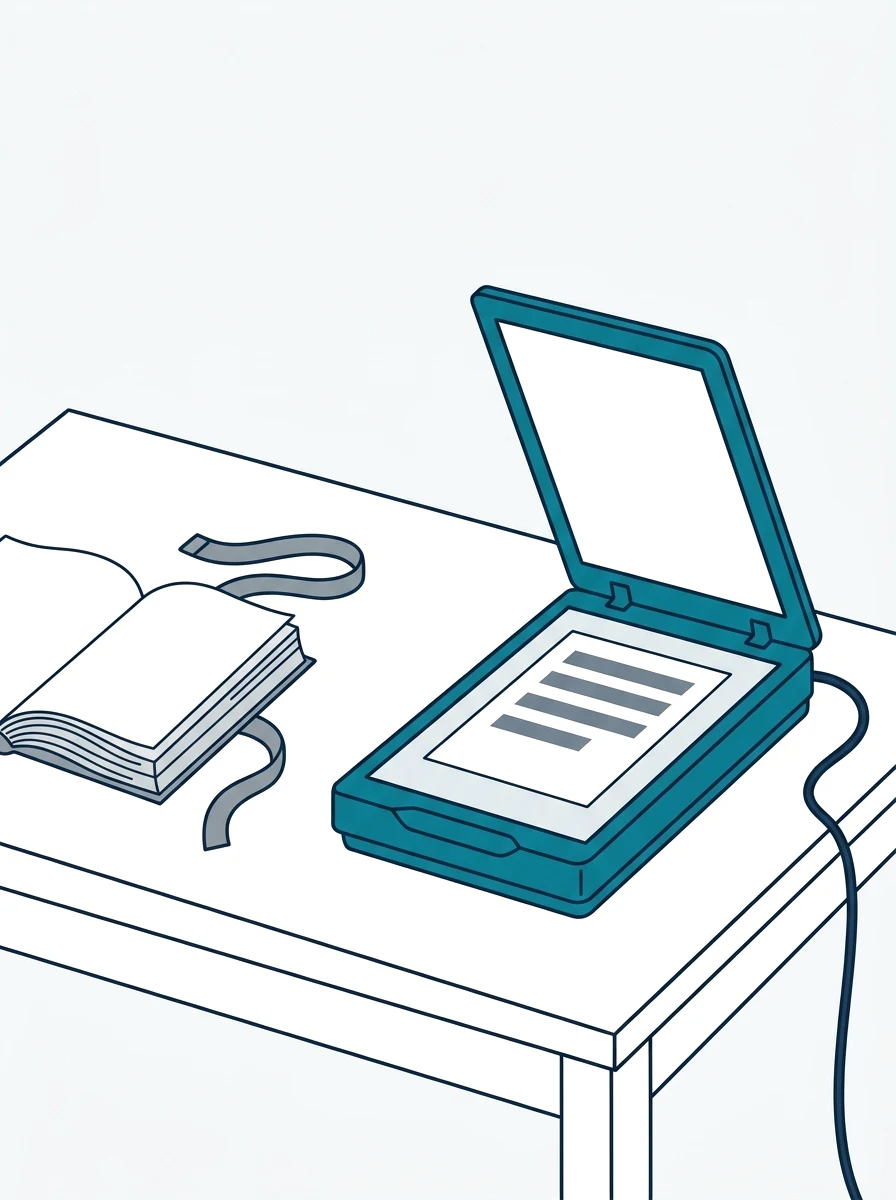
An electronic binder is not a digital case file. Turning paper into PDF does not create a digital file. Generic folders, scans without OCR, scattered attachments and duplicates produce accumulation, not knowledge. A scanned binder is paper turned into an image.
A technological criminal trial demands an adequate defence. If the judicial infrastructure is strengthened while the lawyer is left with folders of PDFs, digitisation risks consolidating the organisation of the prosecution without a corresponding technical capacity for the defence.

The tone we choose
Firm but institutional. This is not a polemic against the judiciary, the police or court registries. Managing files as binders is understandable as a legacy of the paper trial, but it is insufficient for the defence in complex digital files. The prosecution naturally operates within an organised structure; the defence must equip itself with adequate tools to read, verify and challenge that structure.
The Observatory wants first to build culture, trust and recognition of the problem. Then, discreetly, to show the direction LexMap is working towards: from the electronic binder to a navigable defensive case file.